

 Back to Blogs
Bay Windows vs. Bow Windows: What’s the Difference?
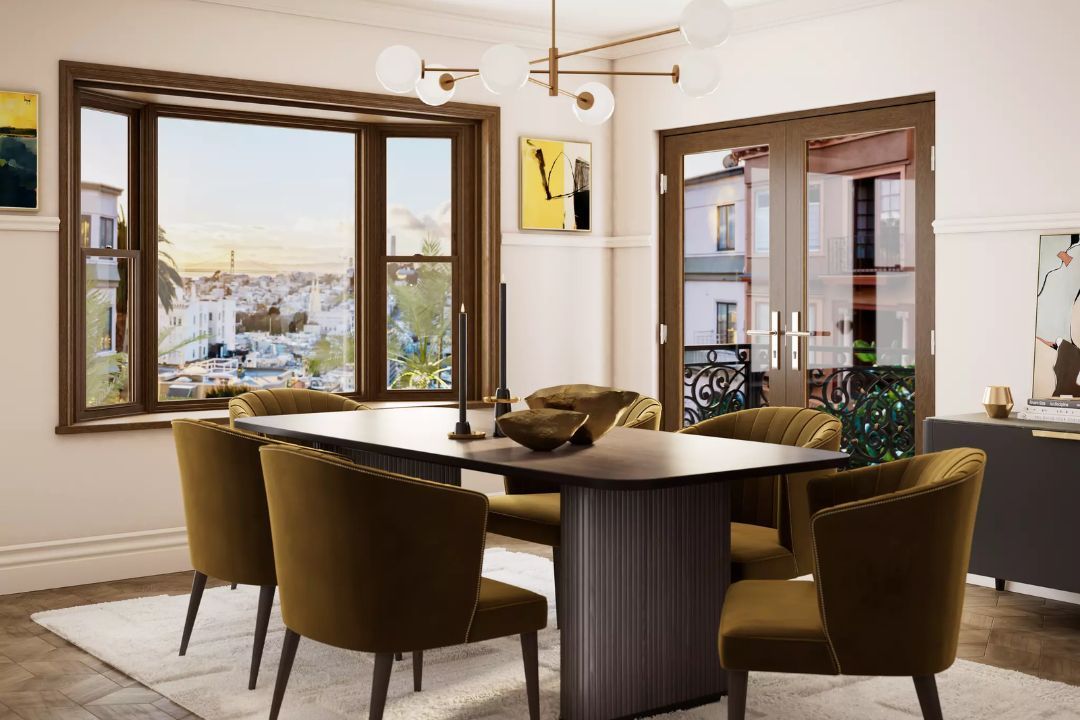
Shoppers comparing bow windows for sale usually ask how bow windows differ from bay windows. Bay windows typically project outward with three angled sections, often a larger center window between two side windows. Bow windows typically form a gentler curve from four or more units. Exact layouts vary by manufacturer.
What Is the Difference Between Bay and Bow Windows?
The difference comes down to shape and the number of units. A bay steps out in a few flat planes, while a bow bends through several smaller units in one smooth arc. That gives bays a crisp, defined edge and bows a flowing line.
Window World of Southern Maine lists its bay and bow windows in two families. Bay layouts use casement or double-hung windows, and bow layouts use four, five, or six glass sections. Treat these as typical layouts, not fixed rules.
From the street, a bay reads like a small box pushed out of the wall, and a bow reads like a gentle bulge. Inside, a bay recess has corners, while a bow recess curves around the room.
Which Window Style Lets in More Natural Light?
Neither style wins on light by default. Panel size and count, glass, room direction, and nearby buildings all change the result. Both project outward, so both can offer panoramic views that a flat window cannot.
Picture a bay with one wide center window beside a bow made of five slim units. The bay delivers one big view, while the bow spreads smaller views across a curve. That difference shapes how a room feels more than the raw amount of glass.
Fresh air depends on which units open. Casement sides swing out, while double-hung sides slide up or down. Window World describes its double-hung windows as tilting in for cleaning, which helps on upper floors.
Which Style Creates More Interior Space?
Both styles extend past the exterior wall, creating an interior recess. Depth, width, and framing set how much room you gain. Neither adds legal living space or square footage.
That recess can hold an interior window seat or a display ledge. The product details mention head and seatboards in woodgrain and inlay options. A bay’s flat center may suit a bench, while a bow’s curve may suit a plant shelf. Anyone looking at bow windows for sale should confirm the exact depth first.
Which Window Style Suits Your Home’s Architecture?
The best fit depends on the home, not a universal rule. Bay windows create an angular focal point, while bow windows create a rounded, softer look. Rooflines, proportions, and the existing opening all matter.
A narrow wall between two doors may suit a different shape than a wide, open wall. Roofing options are also listed to complement your exterior, which helps the new curb appeal blend in.
Color matters as much as shape. The product details list 19 exterior colors and 11 interior colors, including woodgrain finishes, though options vary by location. Photos of finished projects on similar homes can settle the debate quickly.
How Do Bay and Bow Windows Compare in Energy Efficiency?
Shape alone doesn't determine energy performance. Glass, frame construction, air leakage, weather sealing, accurate measurements, and installation quality all matter. Neither shape is inherently more efficient.
The product description mentions an energy-efficient design. Your Design Consultant can share ratings for your exact configuration, and savings are never guaranteed. Maine’s hard freezes and moisture make tight seals worth extra attention.
What Should You Know About Installation and Maintenance?
Projecting windows need accurate measurements, solid support, and careful weatherproofing. Scope varies with the opening, window size, and home structure, so one style is not always easier.
The listed features include a heavy-duty cable-hanging system meant to prevent sagging. Upkeep is simple: clean the glass, check the seals, and follow the manufacturer’s care instructions. See the installation process for how scheduling and the install work.
How Do Cost and Long-Term Value Compare?
Cost follows the project, not the shape. Size, unit count, materials, glass, installation complexity, and finishing all move the price. Written quotes with matching scope make the comparison fair.
Long-term value also rides on build quality. The product details describe custom, hand-built units made in the USA, and note the Good Housekeeping Seal. When you review bow windows for sale, read the warranty too. The store’s limited lifetime warranty applies to windows, and restrictions may apply. For complete details, see the warranty at your nearest Window World store.
How Can You Choose the Right Window for Your Home?
Start with the wall and room, then pick the style. Space, appearance, daylight, views, ventilation, and upkeep all feed the decision. Browse the full range of replacement window options online.
Conclusion
Seeing the layouts in person is the fastest way to settle the choice. To start, request a Free Quote from Window World of Southern Maine and sit down with a Design Consultant to find the right bay or bow windows for sale for your home.
Frequently Asked Questions
-
The main difference is shape: bays angle outward, while bows curve. A bow also tends to use more units, which smooths the line.
-
Either can work in a small room if the projection depth fits the space. A shallow projection keeps walkways clear, so check the clearance before choosing.
-
Not necessarily, because a bow’s extra units are often narrower. Total glass area and room direction matter more than the curve.
-
It can go either way, since unit count and size drive price more than shape. Ask for quotes that cover the same scope of work.
-
Yes, you can replace existing units with new bay or bow windows. A Design Consultant can review the opening and measurements with you first.