

 Back to Blogs
What to Look for When Choosing a Replacement Window Contractor
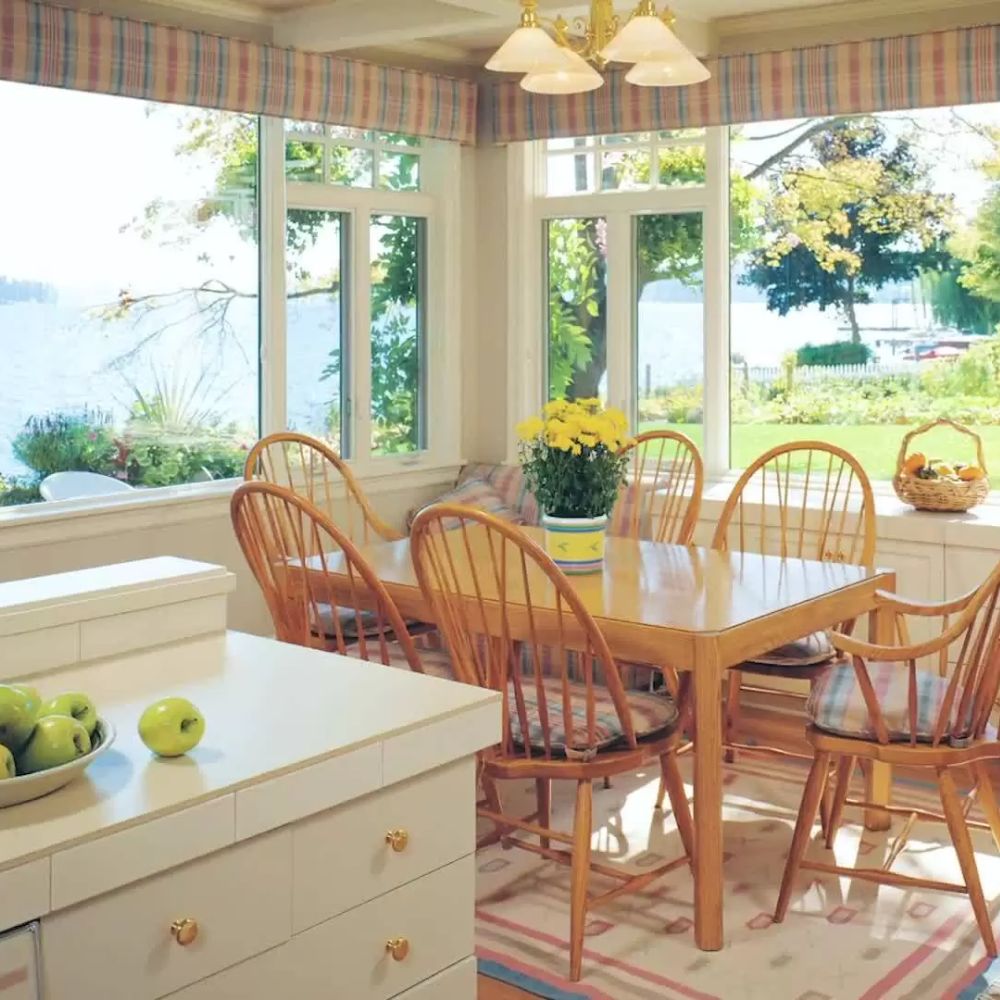
Picture a new window that looked perfect on install day. By January, you can feel a thin line of cold air along the sill and see frost gathering at the inside edge of the frame. The window itself is fine. Someone skipped the insulation around it. That is the real risk of hiring the wrong replacement window contractor: the mistakes hide behind the trim until the first hard New Hampshire winter finds them.
Glass packages and frame colors are easy to compare on paper. Installation quality is not, because most of it disappears behind the trim. So the useful question is not “who has the nicest brochure?” It is “who will do the hidden work right when nobody is watching?” Here is what we would check.
How Do You Choose a Replacement Window Contractor?
Choose a replacement window contractor by checking four things: proof of insurance, a clear written quote, a careful in-home measurement, and a warranty that spells out who stands behind the product and the installation. Price matters, but those four items tell you more.
A company that stays vague on any of them during the quote visit rarely gets more precise after you sign.
Does a Window Installer Need a License in New Hampshire?
New Hampshire does not issue a statewide general contractor license, so a window installer will not have a state license number to show you. Oversight happens mostly through local building departments and permits.
That shifts the homework onto you. Ask for:
- A certificate of liability insurance and proof of workers’ compensation coverage for the crew
- The company’s registration with the New Hampshire Secretary of State
- Whether your city or town requires a building permit for the job, and who will pull it
Rules vary between Manchester, Laconia, and a small town in Strafford County. A good installer knows the local process and handles it.
Older Home? Ask About Lead-Safe Work

If your house was built before 1978, the original frames and sills may carry lead-based paint. Replacing windows disturbs exactly those surfaces. Under the EPA’s Renovation, Repair and Painting Rule, firms doing that kind of work in pre-1978 homes must be certified and follow lead-safe work practices.
Ask to see the firm’s EPA certification before anyone cuts into a painted sill. Then ask how the crew contains dust, from plastic sheeting to final cleanup. A crew that shrugs at this question is telling you something.
What a Good In-Home Visit Looks Like
The quote visit is your best preview of the installation.
A careful visit includes measuring every opening individually, since older New England houses settle and no two windows are quite the same size. It includes pressing on sills and looking for soft wood or water staining. It includes questions about how you use each room, like the kitchen window over the sink that is hard to reach.
Be wary of anyone who measures one window and multiplies. Custom-sized replacement windows are built to fit a specific opening, and no amount of extra caulk makes up for a bad measurement.
The Part Nobody Sees: What Happens Behind the Trim
Most homeowners never ask how the gap between the new frame and the old opening gets sealed. They should.
That gap has to be insulated and sealed against both air and water. Here, a missed spot does not stay hidden. Wind across a lake in the Lakes Region, a February nor’easter, or months of freeze-thaw cycles will find it. The result is drafts, cold spots, and sometimes moisture that stains drywall.
Ask the company to walk you through its steps:
- What it uses to insulate around the frame
- How it seals the exterior to keep water out
- What happens if the crew finds rotted wood once the old window comes out
- Who checks the finished work before the crew leaves
Answers should be specific. “We do it right” is not an answer.
Check the Window, Not Only the Crew
Installation quality and product quality work together. A well-installed window with poor glass still lets heat escape.
Look for replacement windows that are ENERGY STAR® certified for the Northern climate zone, which includes New Hampshire. Ask about Low-E glass, a thin coating that helps reflect heat into the room in winter, and argon gas fill between the panes, which slows heat transfer through the insulating glass. Compare U-factor ratings too. A lower U-factor generally means the window resists heat loss better.
Vinyl frames are a common choice in New England because they never need painting and handle wet, cold seasons well.
Read the Warranty Before You Sign
A warranty is only as useful as its details. Ask who backs it, what it covers, and whether it includes installation labor or only the product.
A limited lifetime warranty can be valuable, but “limited” means specific terms and restrictions apply. Get the full document in writing and read it at home, not at the kitchen table with someone waiting to sign.
Red Flags Worth Walking Away From
Warning signs show up early:
- A price that is only good if you sign today
- A quote that lists “windows, installed” with no product details
- No proof of insurance, or a promise to send it later
- Pressure to skip the permit
- Steep discount offers that make the original price feel invented.
Honest pricing does not need a countdown clock.
Where We Fit In
At Window World, we have installed more than 25 million windows for homeowners across the country since 1995. Our New Hampshire location is locally owned and operated, backed by a national brand.
Our vinyl replacement windows include ENERGY STAR®-certified options and come with a limited lifetime warranty. Restrictions may apply. For complete details, see the warranty at your nearest Window World store.
Comparing companies? Hold us to the same checklist. Schedule a Free In-Home Quote, ask your Design Consultant every question on this page, and see how the answers hold up. That is exactly how America’s Exterior Remodeler wants to be judged.
Frequently Asked Questions
-
Ask about insurance, permits, how they insulate around frames, lead-safe certification for older homes, and exactly what the warranty covers.
-
It depends on your city or town. Check with your local building department, and ask your installer who handles the permit.
-
Yes. Comparing quotes shows which companies measure carefully, explain products clearly, and answer installation questions with real specifics.
-
Look for ENERGY STAR certification for the Northern zone, Low-E glass, argon gas fill, and a low U-factor rating.
-
Yes. Unsealed or uninsulated gaps around the frame can cause drafts and moisture problems, even with a high-quality window.